web analytics

Living in Bangalore with the Stockholm Syndrome

Chasing Dreams, Paying Dues

Most of us didn’t grow up in Bangalore. We came in search of jobs, armed with a suitcase, dreams, and perhaps a soft spot for good weather and filter coffee. The city welcomed us with open arms—well, mostly. In our pursuit of a better life, we became part of this city’s buzzing economy. Every year, Karnataka ranks right at the top for direct tax contributions, and Bangalore is the undisputed engine behind those numbers. We pour money into the system through GST on every meal out and through the chunk of salary that disappears before it hits the bank account.

But then comes the inevitable punchline: For all that spending and sacrificing, what do we get back? The city’s infrastructure woes play out like a tragicomedy. Pothole-ridden roads, mysterious disappearances of civic funds, garbage woes, endless construction sites that never seem to finish—sometimes, the only thing that’s truly world-class is our collective sense of resignation.

Work Hard, Play a Little

To Bangalore’s credit, life for the young and restless can be intoxicating. There are hip pubs, quirky coffee shops, soothing jazz bars, awesome South Indian breakfasts, plays, concerts, and enough food festivals to keep a millennial’s calendar full year-round. But if you’re looking for fresh air or the simple joy of lying on some grass, options quickly dwindle.

When it comes to public green spaces for connecting with nature, the city offers precious little beyond Cubbon Park and Lalbagh, both legacy gifts from colonial times. While there are now parks like Freedom Park, M N Krishna Rao Park, JP Park, and Bannerghatta National Park, these are limited in number and generally overshadowed by commercial and residential sprawl. You will not find a lot of youth making use of these spaces, because they are unofficially reserved for uncles and young parents who can’t use strollers 0n the broken pavements. Ever tried visiting Nandi Hills on a weekend? All this only points to how starved we are as a people of a connect with nature. No wonder, when we really find a pristine place, we know nothing but how to ruin it.

The Real Estate Sink Hole

Let’s talk about the elephant (or should I say, luxury apartment) in the room: real estate. Everyone is buying, everyone is selling, and fear of missing out drives us to invest chunks of our savings into homes we hope will make us rich… someday. The reality? If you didn’t start the race early, it’s mostly a game of catch-up. The ones who really win are those with enough capital to gobble up prime plots before the “next big boom.” The rest fight over flats in far-flung suburbs, betting on future appreciation that may or may not materialize. And let’s not even start on amenities. Many developers don’t care if there’s a proper access road or regular water supply. Why bother, when desperate buyers will queue up anyway?

Real estate has become both a rite of passage and a trap. Investment in property dominates financial life, premised on value appreciation that has consistently favored those with pre-existing capital. While values have grown overall, those forced to stretch through loans in search of upward mobility often find disappointment when factoring in the opportunity costs and eroding quality of life.

Developers rarely collaborate to improve public infrastructure alongside their projects. Housing ventures frequently spring up in areas with patchy access roads, water scarcity, and poor civic amenities, simply because demand remains insatiable—customers continue purchasing regardless of infrastructure readiness.

Need to know more? Head to this reddit sub.

Growth, but at What Cost?

Every year, more people join the city—almost as if we add a new “Seattle” on the map. Yet, this horizontal growth doesn’t translate into easier lives for the ones already here. If you made the “wise” decision to buy in the north, commuting south might make you question your life choices. Want to rely on public transport? Good luck. Urban planning is always playing catch-up, and daily commutes test the limits of patience and lungs alike. Politicians should be drafting sustainable plans to connect the city for mass movement of citizens. But instead they are pouring in money into their pet urban projects or indulging in vote bank politics outside Bangalore.

And despite all of this missing, we lap up new projects far away from our work place hoping to cash in on the real estate boom. This FOMO that Bangaloreans act on is also the reason why our elected representatives have no accountability.

Why Do We Stay? Enter Stockholm Syndrome

So, why do we stick around? Is it hope, inertia, stubbornness—or something deeper? Over time, we convince ourselves that this chaos is lovable, our suffering meaningful. We boast about the weather (if it hasn’t rained out the city), the cafés, the “vibe.” We joke about traffic but never quite imagine leaving. Bangalore becomes home because, somewhere along the way, we fall for the city’s quirks—and get too invested to consider an exit. It’s Stockholm syndrome, urban edition. Has any government spoken about developing tier 2 cities, or applying the lessons from tier 1 cities when developing the rest of the State? So where will we go?

There is no future growth story outside Bangalore and that is why we convince ourselves that it is better to stay back. Our politicians are myopic and unprepared to cater to a rising economy. And let us not even go down the road of why people arrive in truckloads from the Communist states of India!

Between Hope and Habit

Bangaloreans log thousands of civic complaints hoping for a fix. We rally for lakes, trees, and cleaner air. But sometimes, it all feels like shouting into the void. Until something changes—until we stop settling, stop justifying, and demand a fair return on all we put in—Bangalore will keep testing the boundaries of our loyalty and optimism.

But hey, as long as there’s filter coffee and a gig to get to, where else would we rather be?

While you hear a lot of  Bangaloreans complain over a plate of idlis or a glass of the city’s famous craft beer, the conversation never steers towards “Why are we still here?” The only people asking “Why are YOU still here” are the language warriors and regionalists – as if throwing out a bunch of people is going to bring back the city’s lost glory.

Share your own Bangalore tales in the comments. What keeps you here? What drives you mad? Let’s talk.
A Group for Landscape Photographers

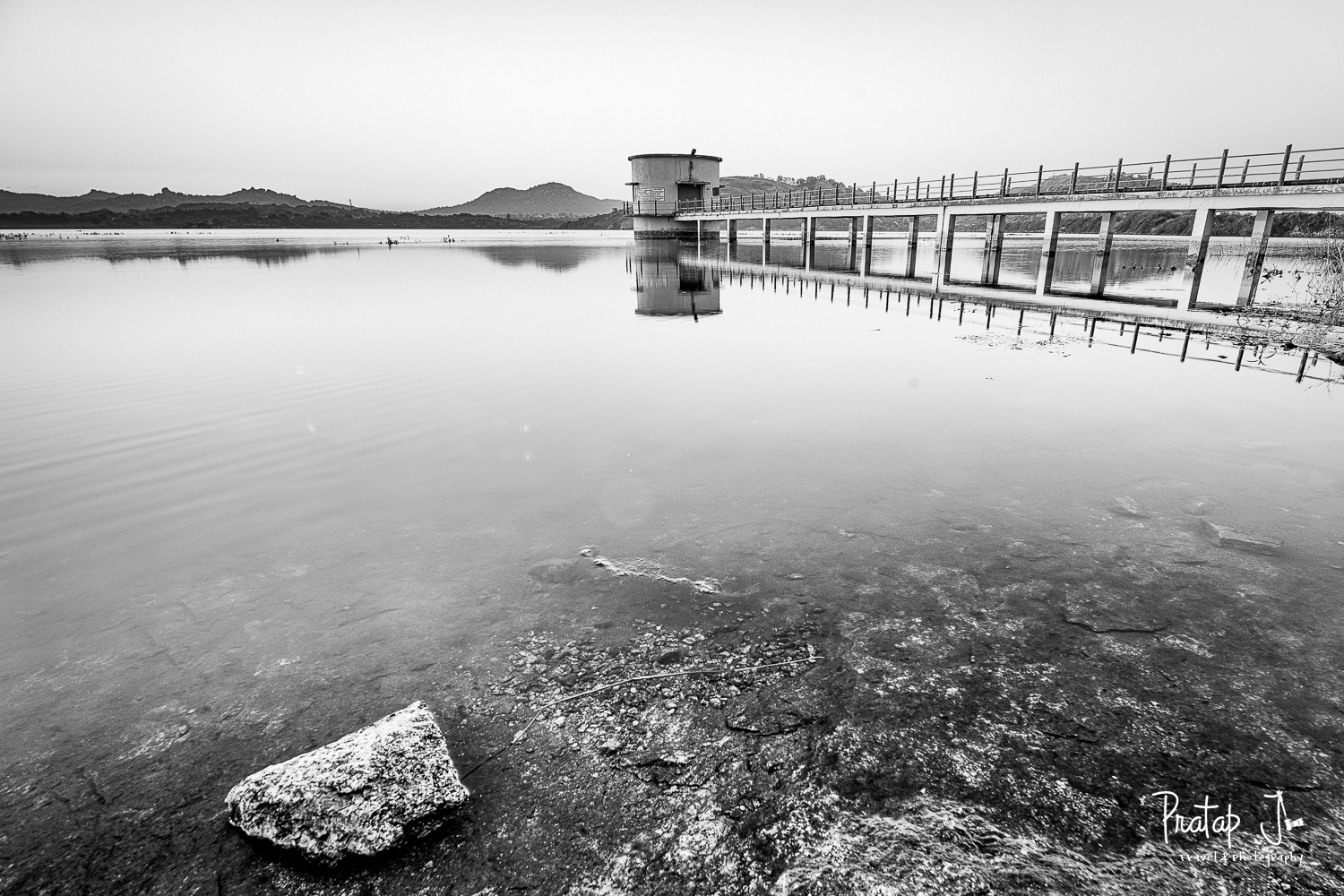
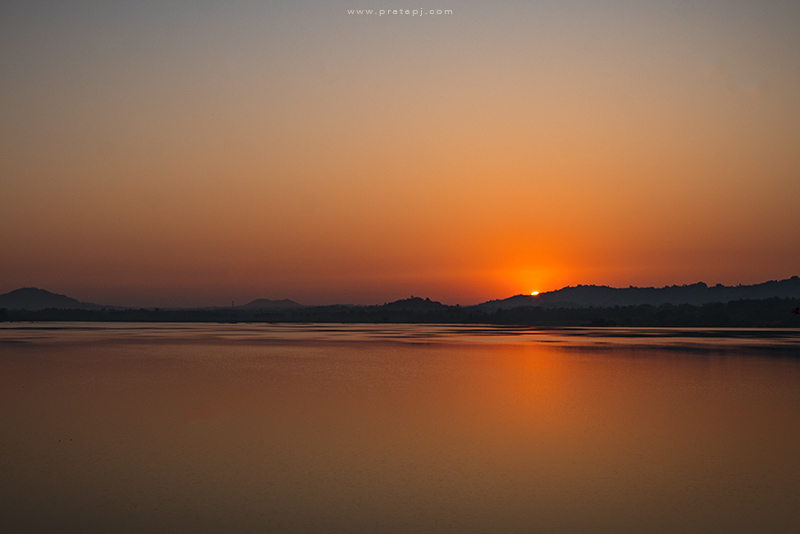
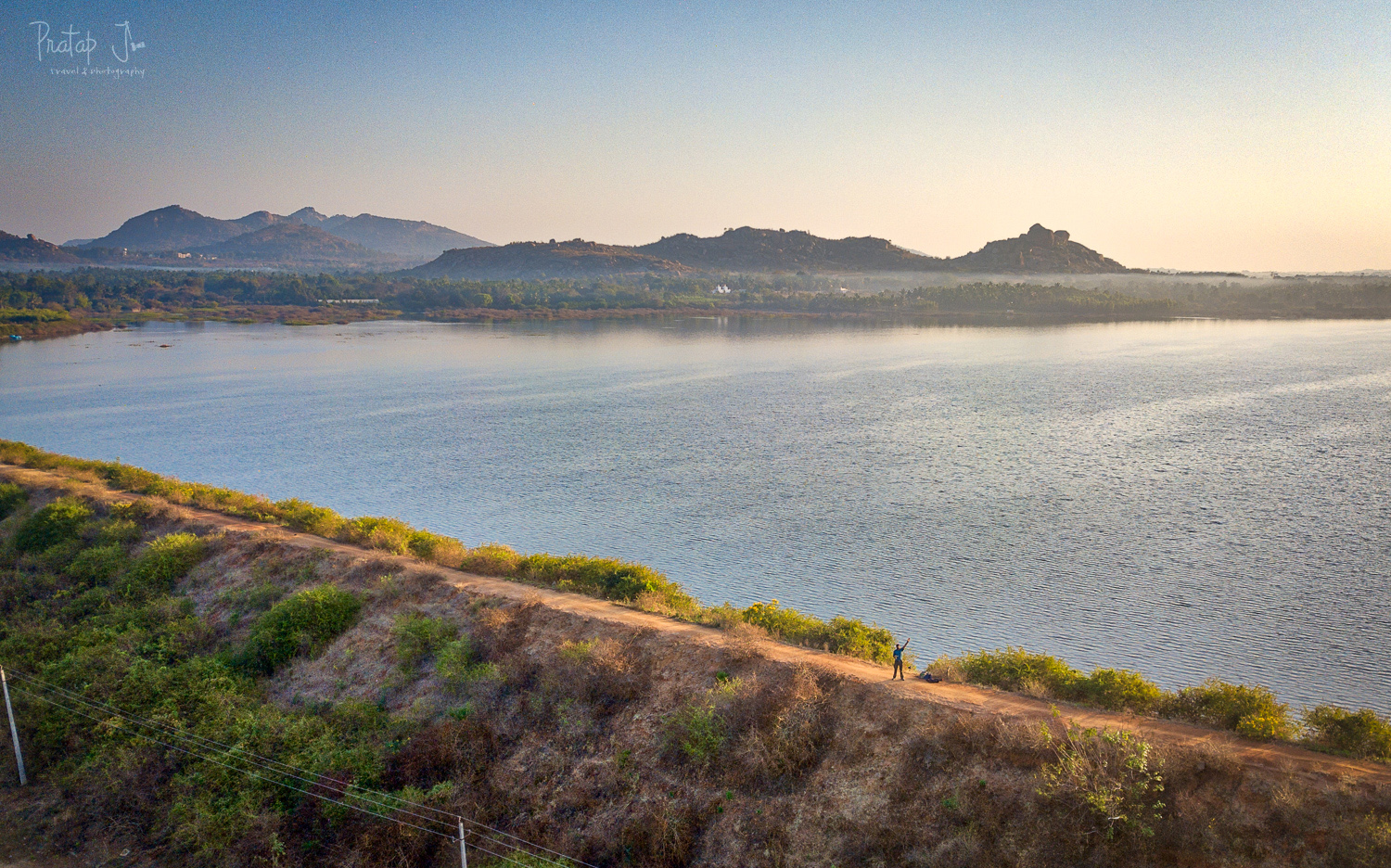
When I started photography, JJ Mehta Photograpy Forum (JJMPF) was a great place to hang out. Along with Bangalore Photography Forum (which is now extinct), JJMPF was where many of us used to post photos for critique.  After almost 10 years of interacting with members there, I finally met a few of them today. The meeting was planned on a Whatsapp group. We visited a beautiful lake off AH 48.  I had previously visited a hillock near the lake on Jan 31st for a super moon/lunar eclipse shoot (video here).

The idea of forming a Whatsapp group for nature and outdoor photographers occurred to me when a post of mine on JJMPF saw queries about locations to shoot around Bangalore. These days here in India, WhatsApp groups are where the action is, albeit mostly the spammy kind. Unfortunately many of the photography groups have too many members with various agendas. I wanted to create a group for only like minded photographers. Having visited numerous lakes and hillocks, I have a fair idea of places for landscape and nature photography within 100km from the city. So after the interactions on JJMPF, I created a WA group and added photographers with the intention of planning and going on shoots together.

Now, unlike regular photowalk groups, were a bunch of people get together and walk the lanes of Bangalore and shoot street photos, nature/landscape/outdoor photography is a different ballgame. For one, it involves heading out for shoots at unearthly hours (I was up by 3 am today). Since we go far away from the city, transport is something each person needs to have figured out. Lastly, it is difficult to shoot photos of nature when in a large group. Outings I have been on have always been in twos, threes or fours at the most.

DJI_0031.jpg

Today for the first time, I was part of a larger group. We first did some planning on Whatsapp using Google maps. After checking out the blue hour and golden hour timings, we met up on the highway after the Tumkur Road toll booth. We were 7 of us in two cars, coming from different parts of the city. After chai on the highway and quick introductions, we continued to our location, even overshooting a right turn and missing our intended route. After making a U turn, we were back on track and at our destination by 6 am.

It was a rather quiet and uneventful sunrise. I got to test the 6D which I have in mind as a second body (last week, I tested the 6D Mark II with my Irix 15mm f2.5 lens).  I used the A7rII for shooting a time lapse.

Here are two photos from today.

IMG_9353-Edit.jpg

IMG_9365-Edit.jpg

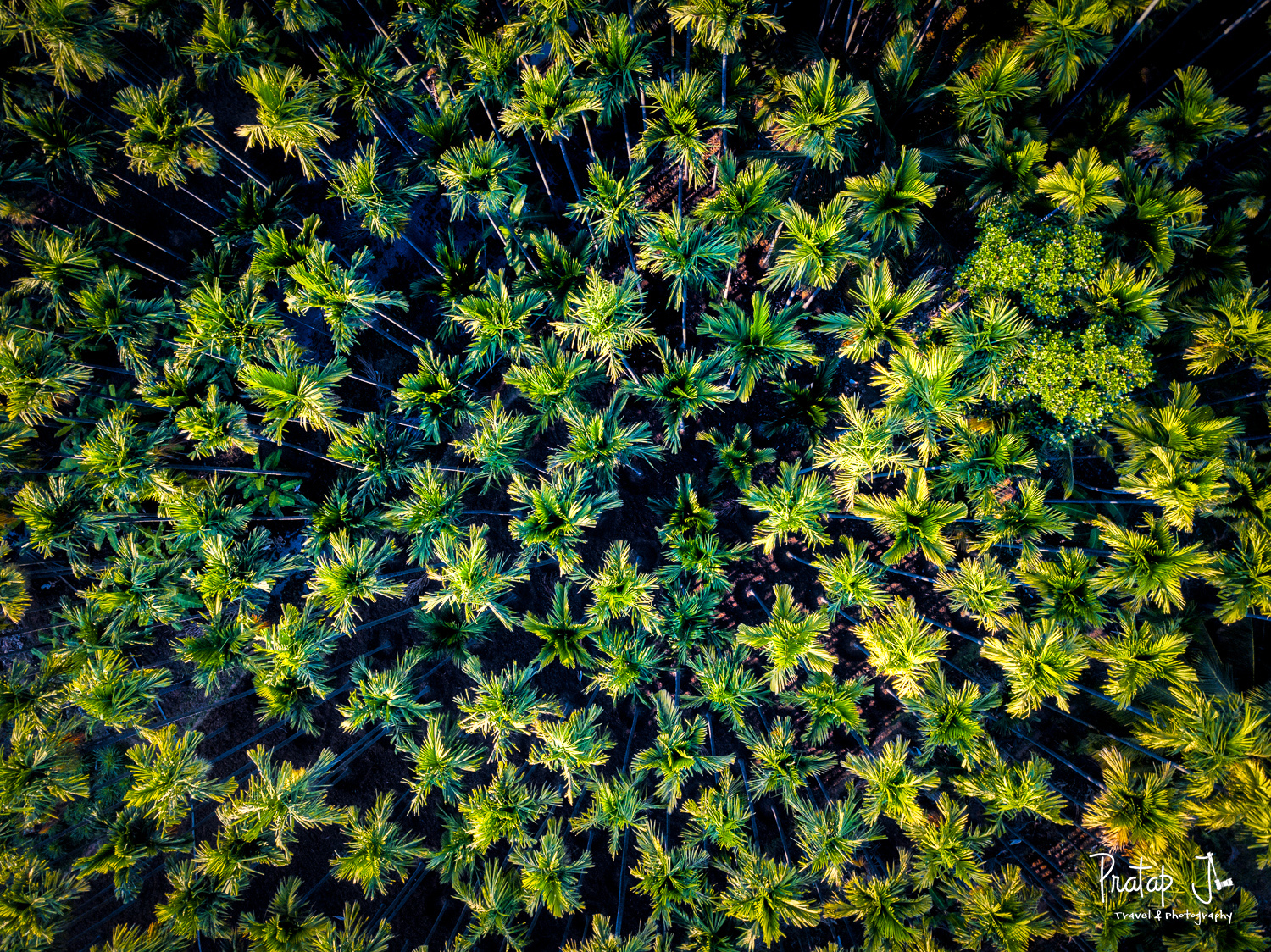
Personally, I am quite pleased with the results from the 6D. I even got a chance to fly my Mavic. One of the photographers in the group was shooting with an IR modified camera.

Unfortunately, summer is almost here. The transition from night to day and vice versa will only get increasingly quicker. The skies will mostly be boring. The next three months are not going to be conducive for landscape photography. Our only option would be to shoot the night sky. Places such as the one we visited today are potential spots for future Milky Way shoots. Let’s see if forming a group is going to help in going on more such fruitful trips. Definitely safer to be at remote locations at odd hours when in a larger group!

DJI_0014.jpg

First Milky Way Outing of 2018

In a previous post I wrote about how I was excited and awaiting the Milky  Way season. I was proved wrong about the start of the season – the Milky Way is already visible! I was under the impression that the Galactic Core is visible starting March. I checked PhotoPills again, and saw that the Milky Way is already visible from 2.30 am to 5.20am.

As a confirmation, I received a photo of the Milky Way that someone shot last week, in a WhatsApp Group. The Milky Way looked glorious – the Galactic Core was clearly visible. So I was determined to see it myself. But there was only one way to do it. I had to wake up early and drive to somewhere dark and arrive by 5.00 am.

Of the many sacrifices that a photographer makes, sleep is one of them. So yea, I was up by 3 am to drive 75km and arrive at the place I had in mind before 5.00 am.  I must have been in the middle of the sleep cycle when the alarm rang. I just could not open my eyes. But it had to be done.

I left home at 4 am on Saturday and drove on NH 948. Traffic was very light, except for slow moving trucks and an occasional taxi. After an hour of driving my destination was not yet in sight. Would I miss the Milky Way? Should I just stop to check the sky or keep driving without losing precious time? I had another agenda apart from shooting the Milky Way. I had a loaner 6D Mark II that I wanted to test out.

By 5.05 am I reached a spot that I was familiar with. It was just beyond a village and beside a small lake. It was not the prettiest of locations. I stopped my car because I did not want to travel further and hit another village. Most villages these days have LED street lamps which cause light pollution in a horrible shade of green. Dogs and curious (or angry locals) are another problem. This was a state highway and the roads weren’t wide. Trees beside the road meant that I could not stop just about anywhere to do my photography. I needed a clearing. The already beside the lake was best I could find.

I stopped my car, fired up PhotoPills and pointed the Augmented Reality projection at the night sky. The Milky Way was supposed to be very close to the horizon, almost blocked by the tree-line. I was disappointed. But I could see a faint line of star dust with my eyes. Was the app wrong? There was only one way to find out.

I took out my camera and tripod and set up a 20 second exposure. The wait felt long. What I saw on the back of the camera after 20 seconds made me jump in glee. The faint star dust was indeed the Milky Way, and it was quite high up in the sky. PhotoPills was wrong.

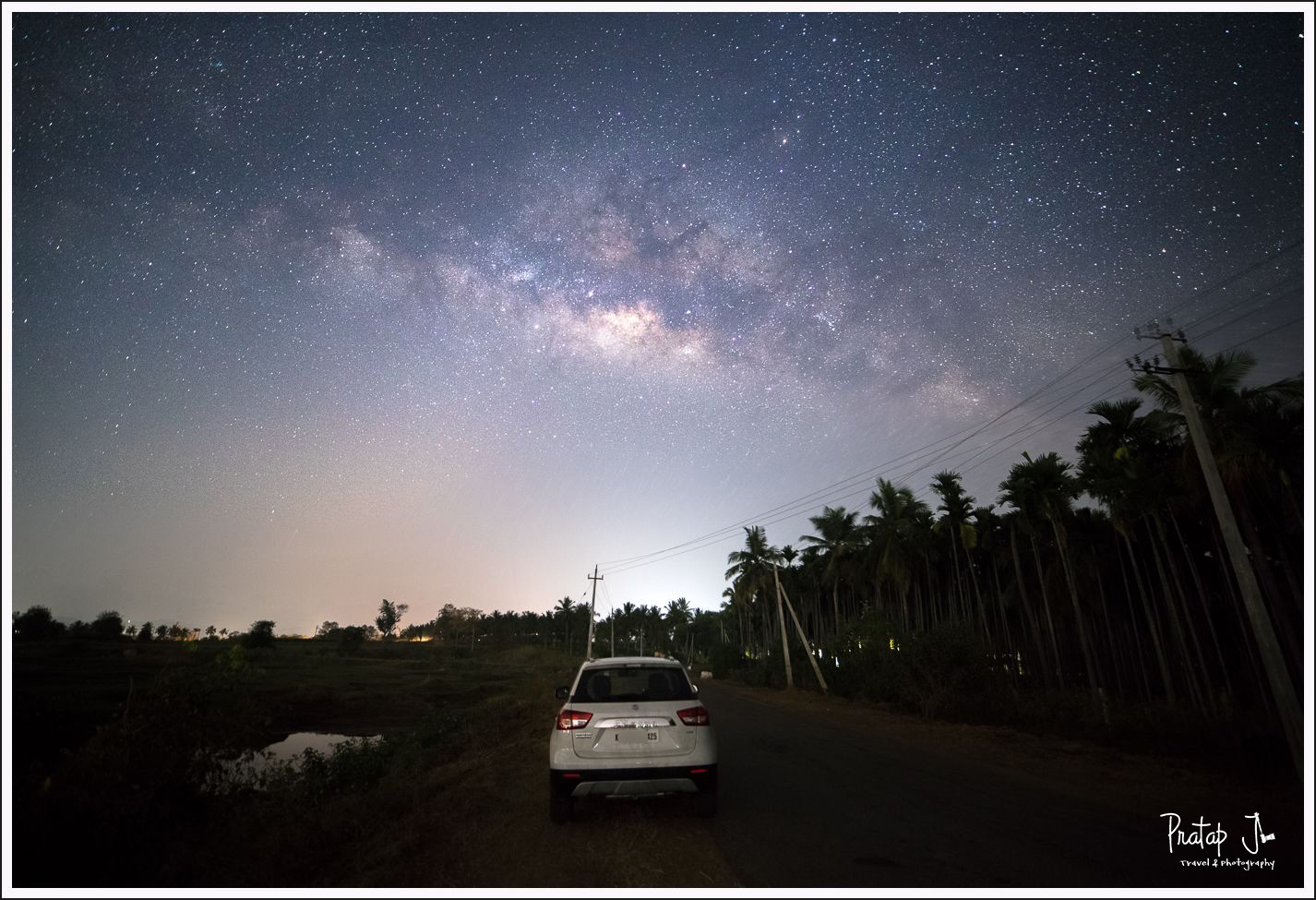
I took a few steps back and started shooting again. This time, my car was the subject. Each exposure was 20s long. The air was cold, and in the distance dogs were barking. I would have to sound very convincing if someone were to ask me what I was up to. Only someone totally mad would drive that early in the morning just for a few photos. Luckily, no one came by.

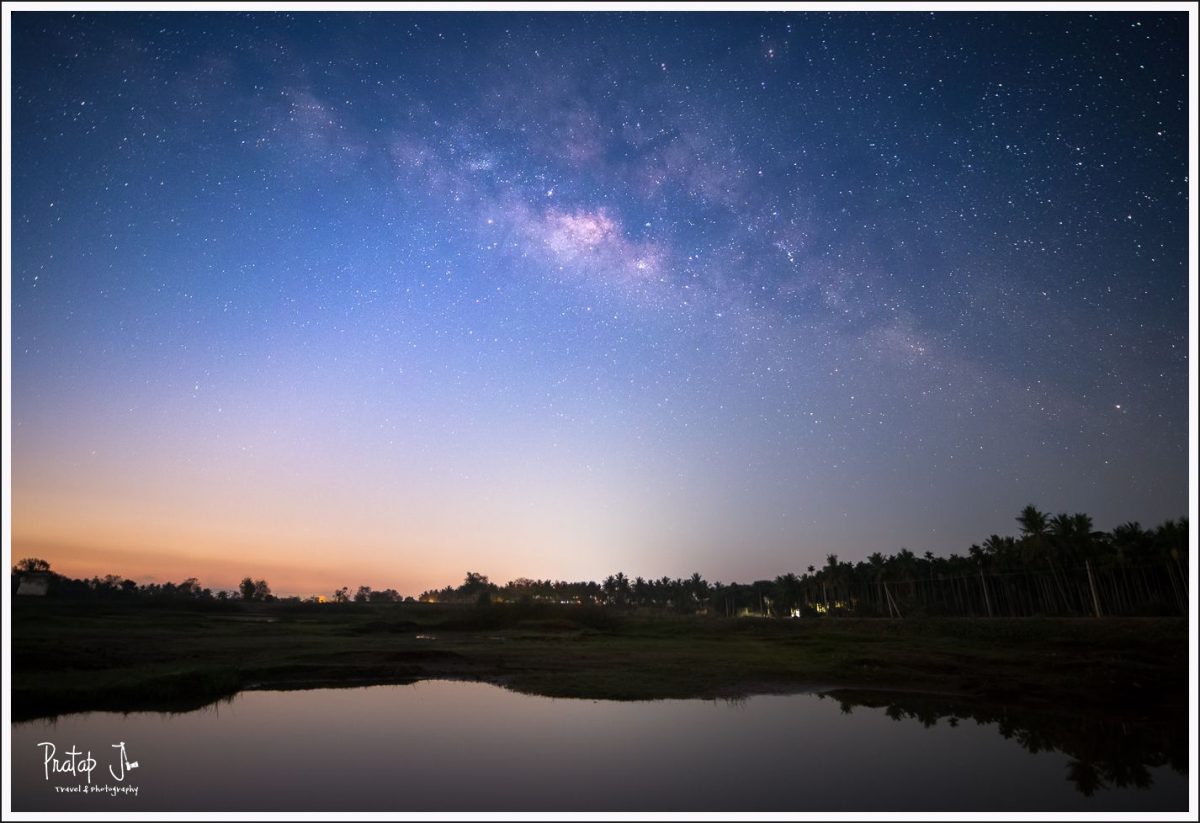
I got my photos. For a better composition, I went down to the lake bed. It was semi-dry, even marshy in some parts. I took a few more shots. It was beyond 5.20 and the Milky Way was still visible. So PhotoPills was wrong about the Milky Way setting time as well. I could have driven further to my preferred spot.

After getting a few shots, I watched the orange glow from the eastern direction slowly engulfing the blue sky. It was beautiful. Birds near the lake began to wake up. A few of them probably felt my presence and made screeching sounds. The number of vehicles started to increase. I couldn’t continue shooting because the headlights were ruining my shots. Nevertheless, I was pleased with whatever I got. My first shots of the Milky Way.

My-Car-and-the-Milky-Way.jpg

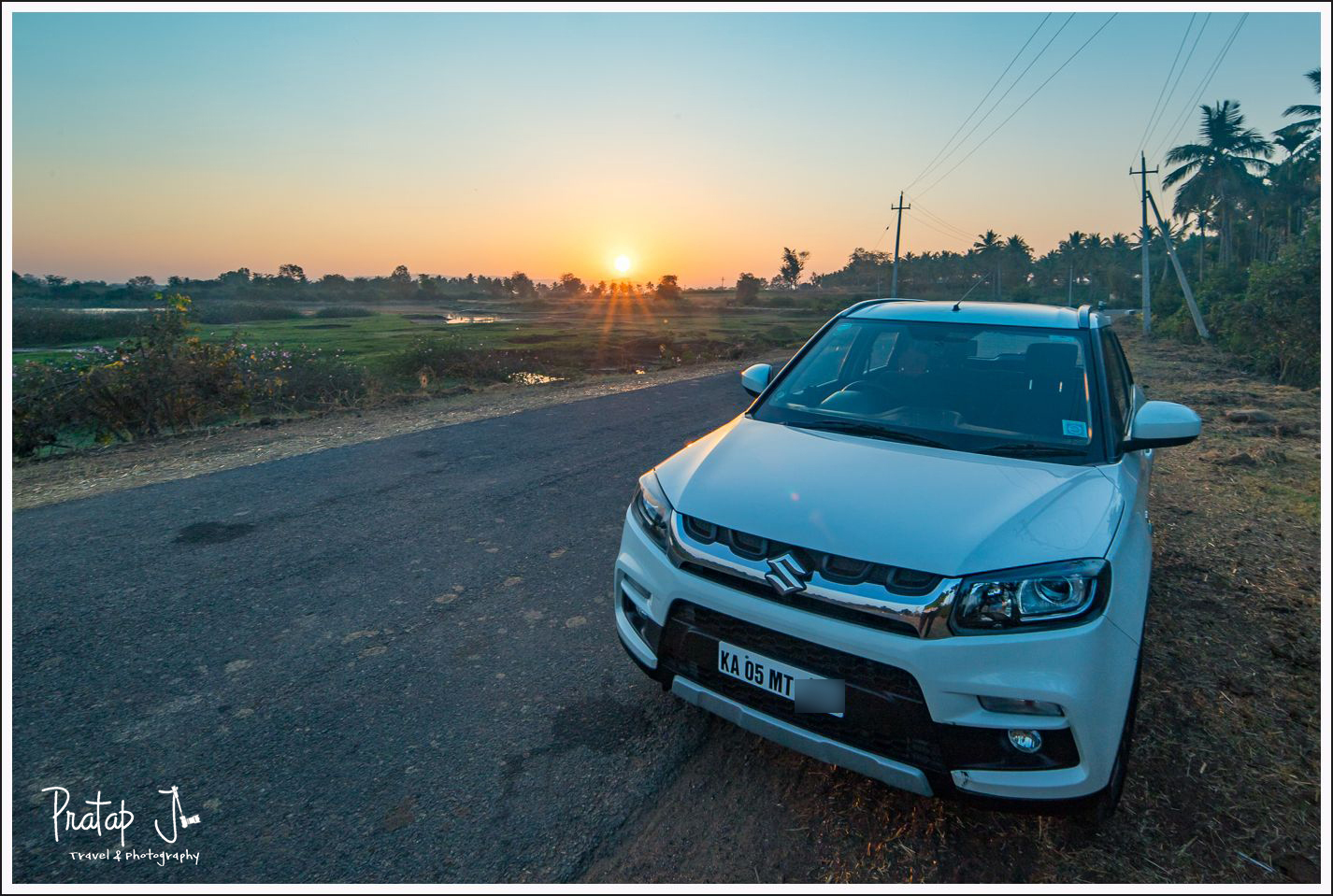
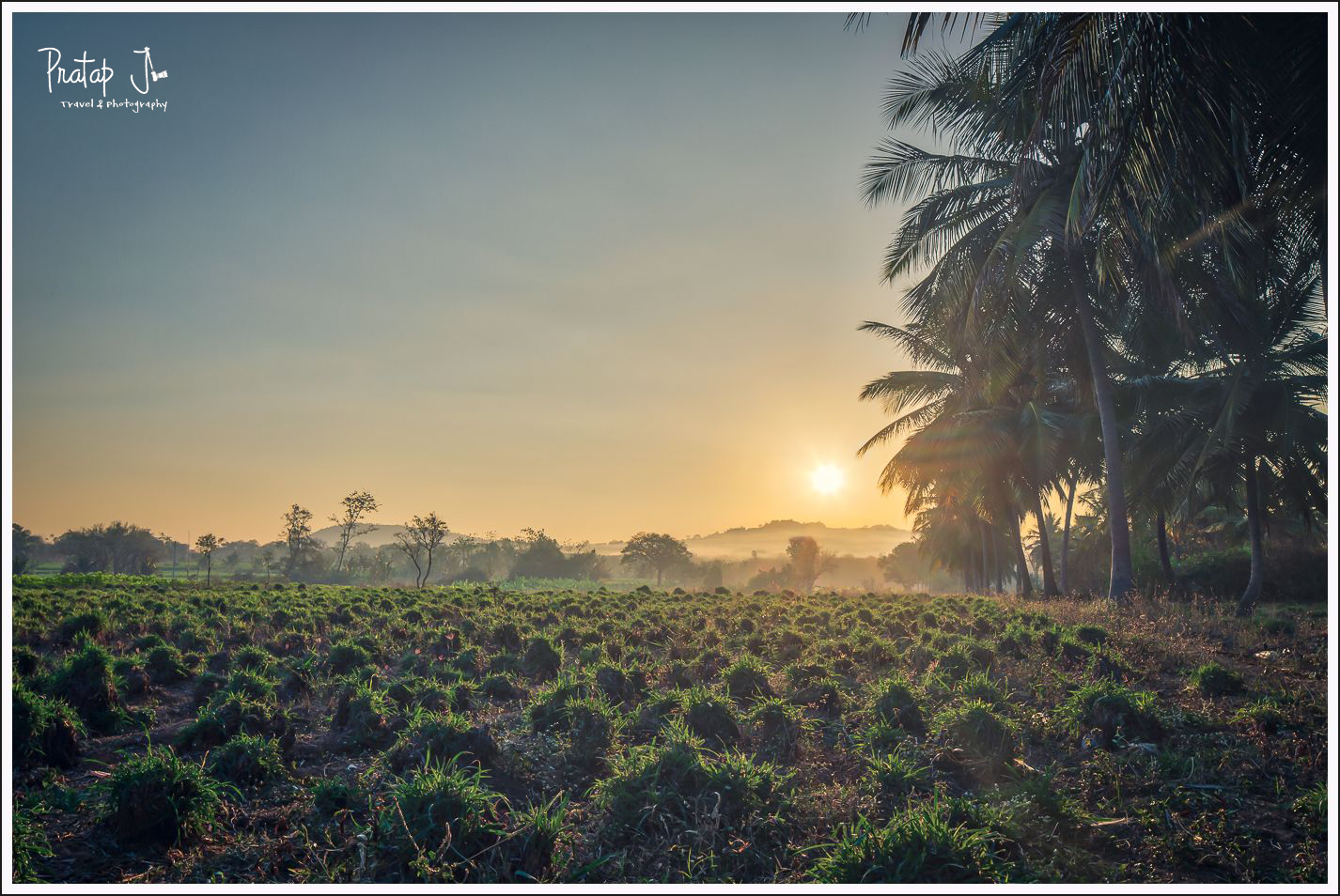
It was 6 am, and I was a little confused about what to do. Should I just drive back to Bangalore? Or should I head to a nearby tourist spot? I chose to drive ahead. I found more interesting places for future Milky Way shooting. I marked them on Google Maps. Beyond the last village and before the popular tourist spot, there was no vehicular movement. I parked my car and simply enjoyed watching the breaking of dawn. Somethings are only meant to be experienced.

Brezza-sunrise.jpg

Fog-over-fields.jpg

Here is an interesting fact:

You can only see about 2k light-years into the galaxy due to dust and gas. The core is another 50k or so light-years away. Your looking at a very small percentage of the milky way.