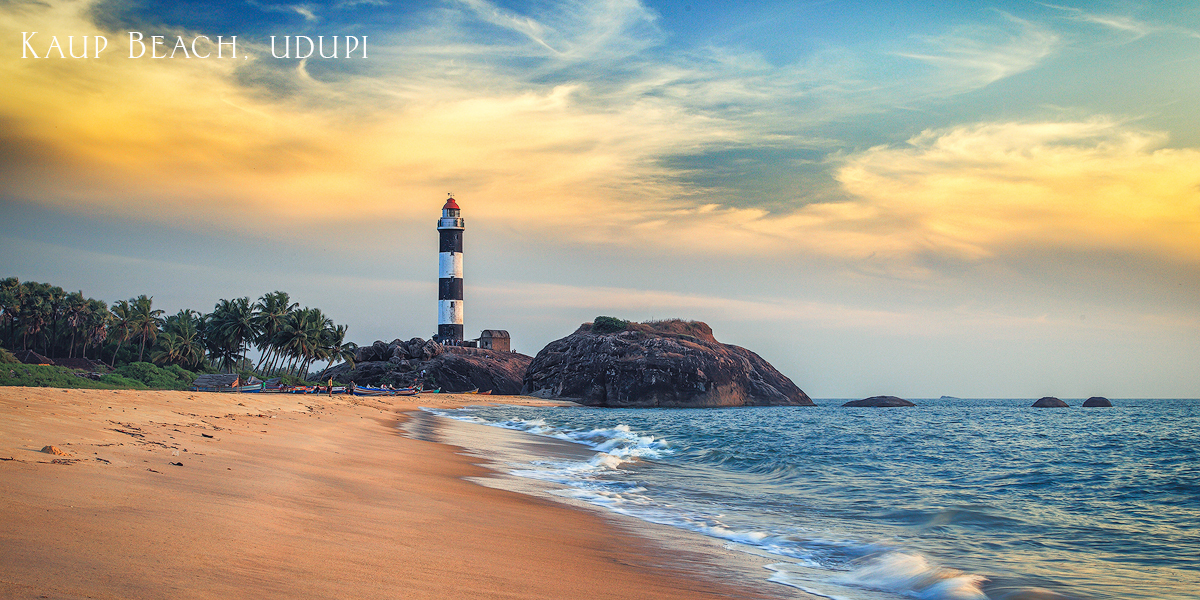

There’s a kind of magic that coastal Karnataka holds—one that isn’t always obvious in the heat of the day or the rush of the tourist circuit. For me, the real beauty of this stretch of India reveals itself at two very different altitudes: way above, through my drone’s lens, and way beyond, across the ink-black night skies where the Milky Way quietly arcs. I lived for two years in Udupi, enjoying every minute of what coastal regions from Mangalore to Karwar had to offer.
Waking Up to Wide Horizons
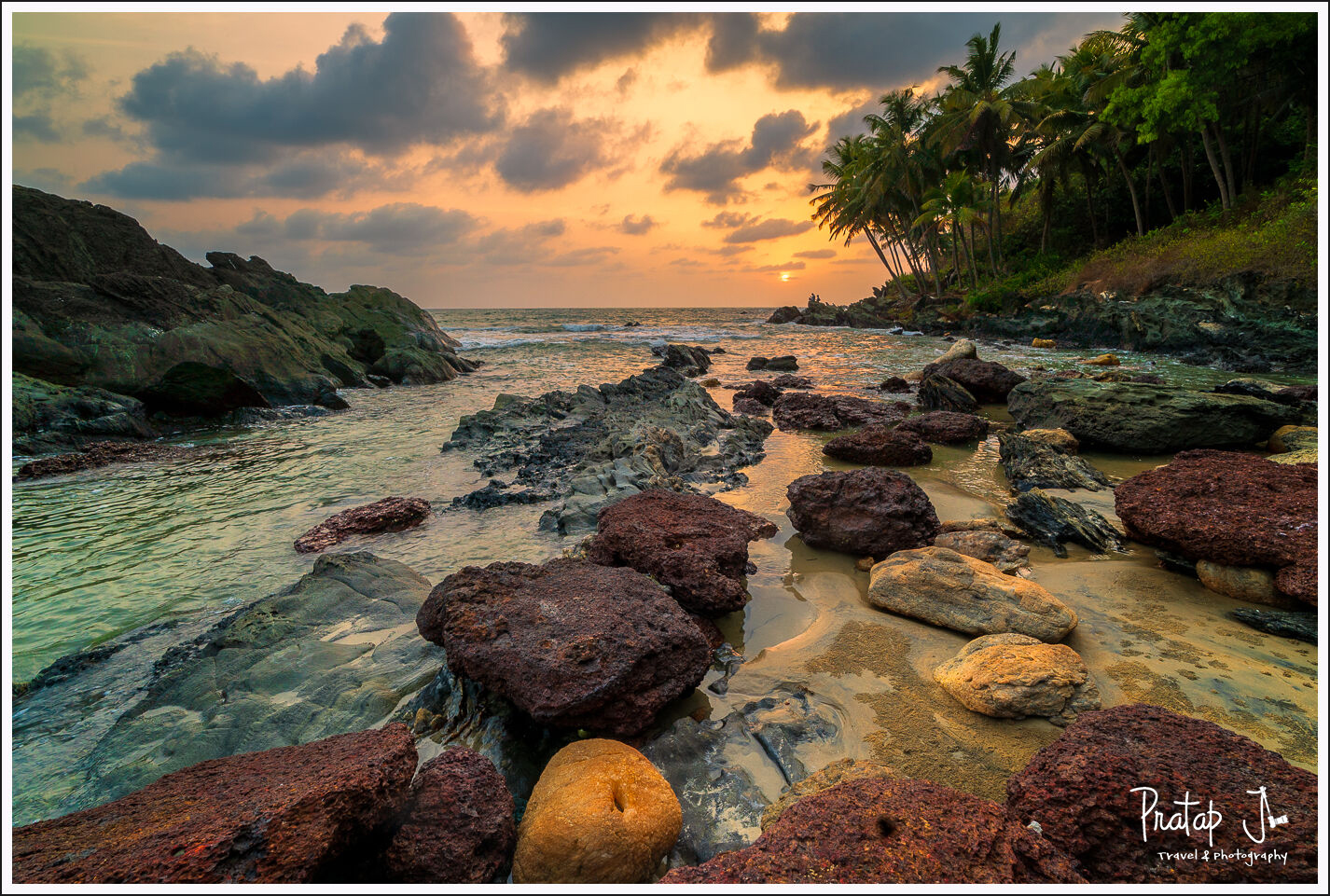
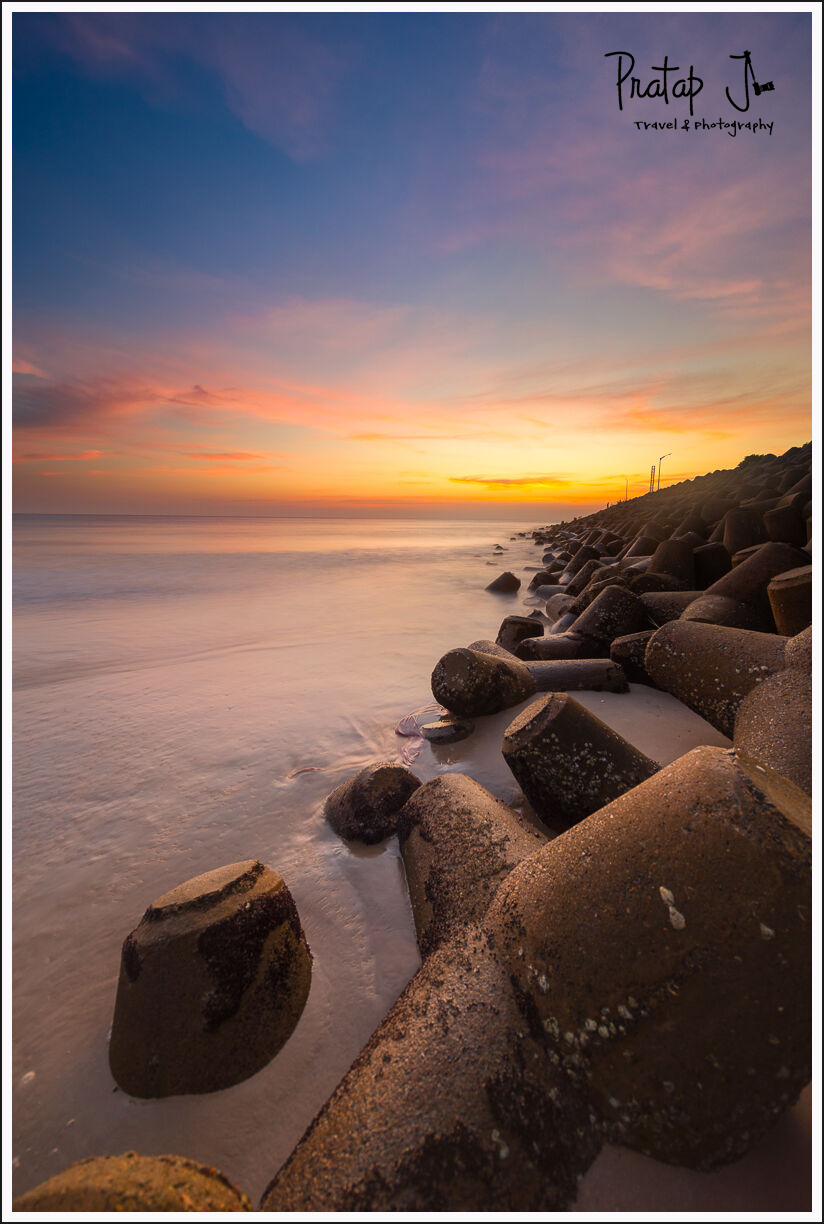
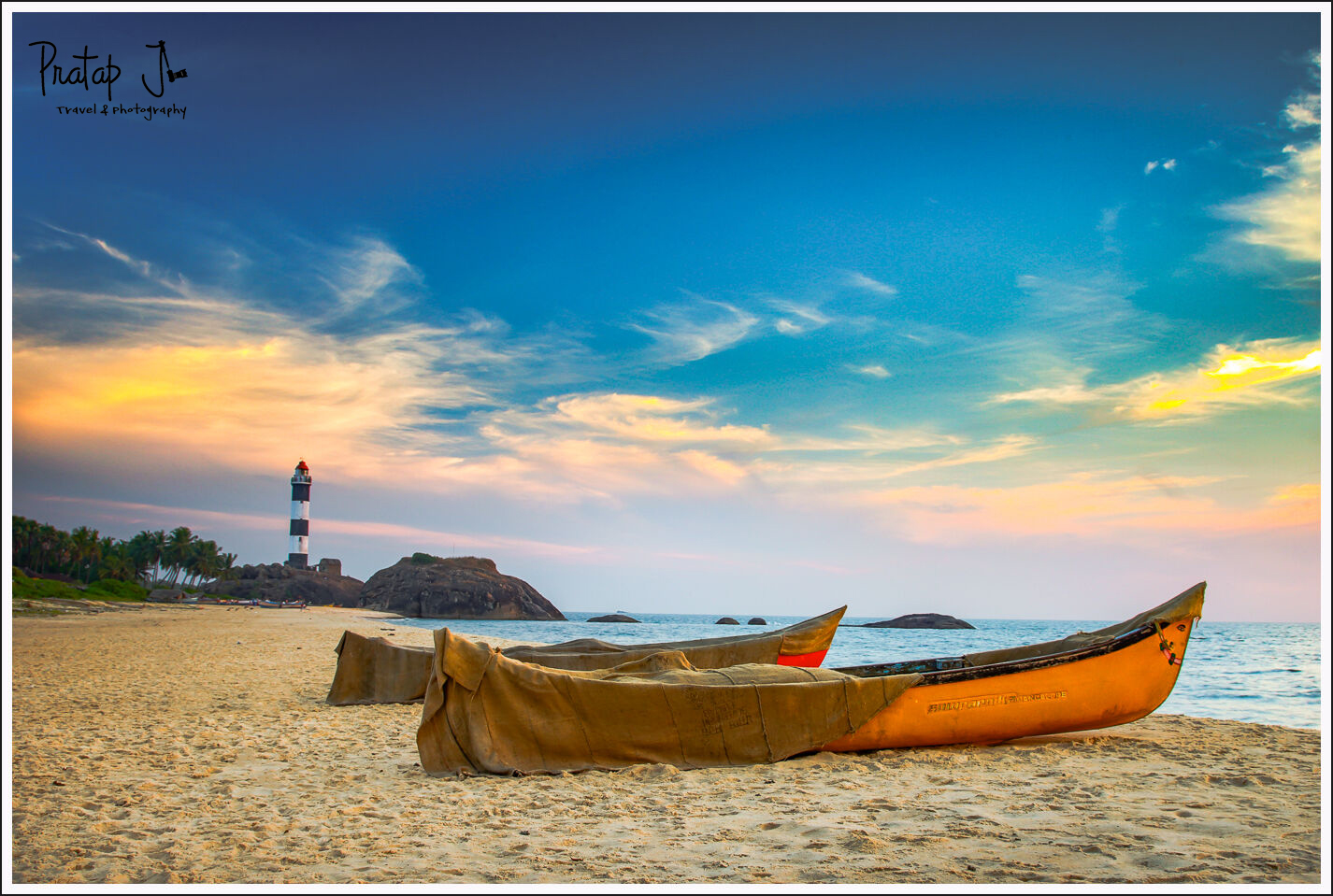
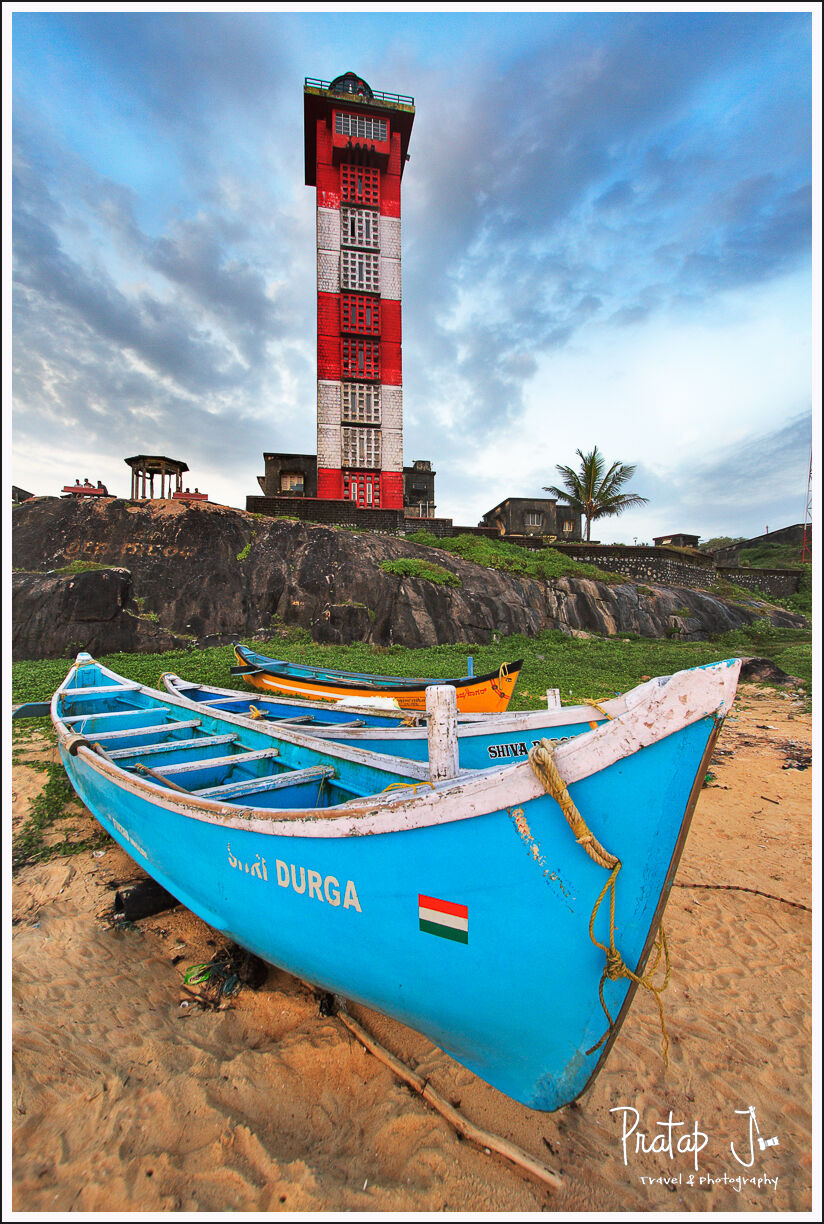
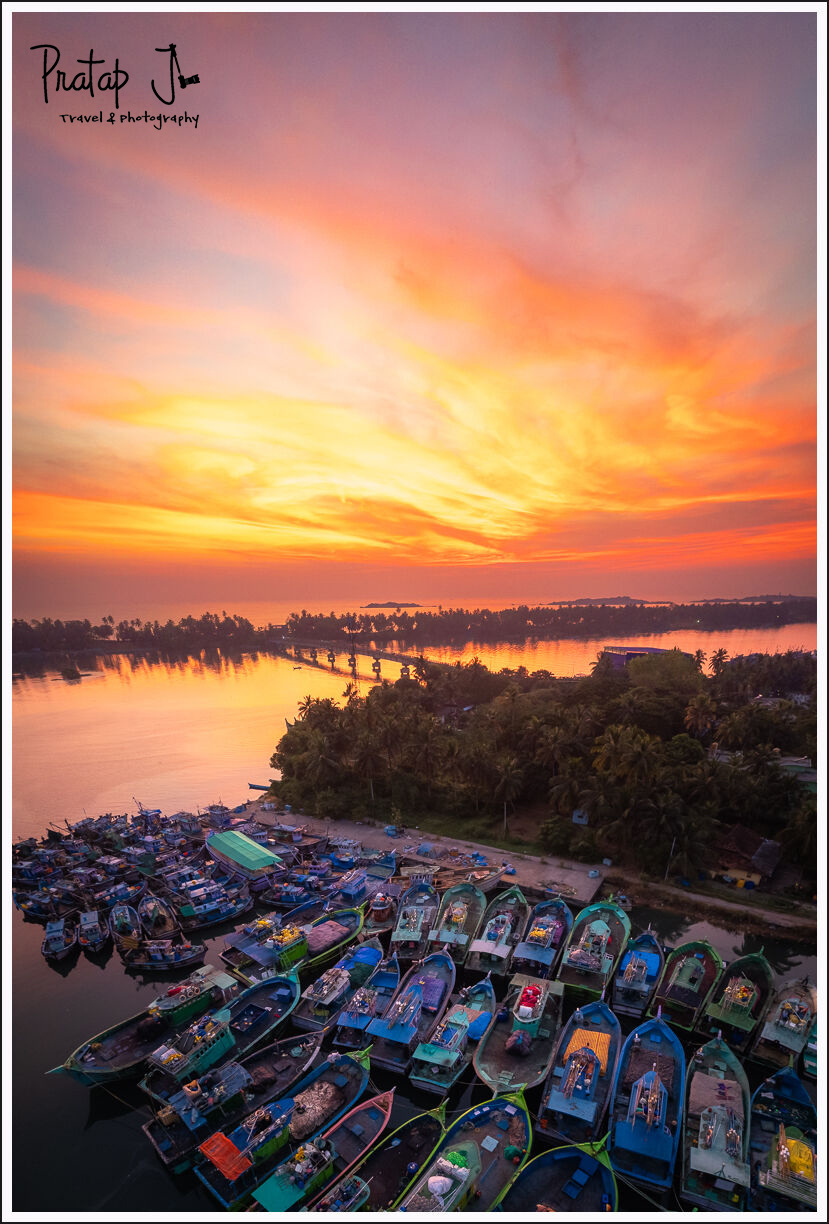
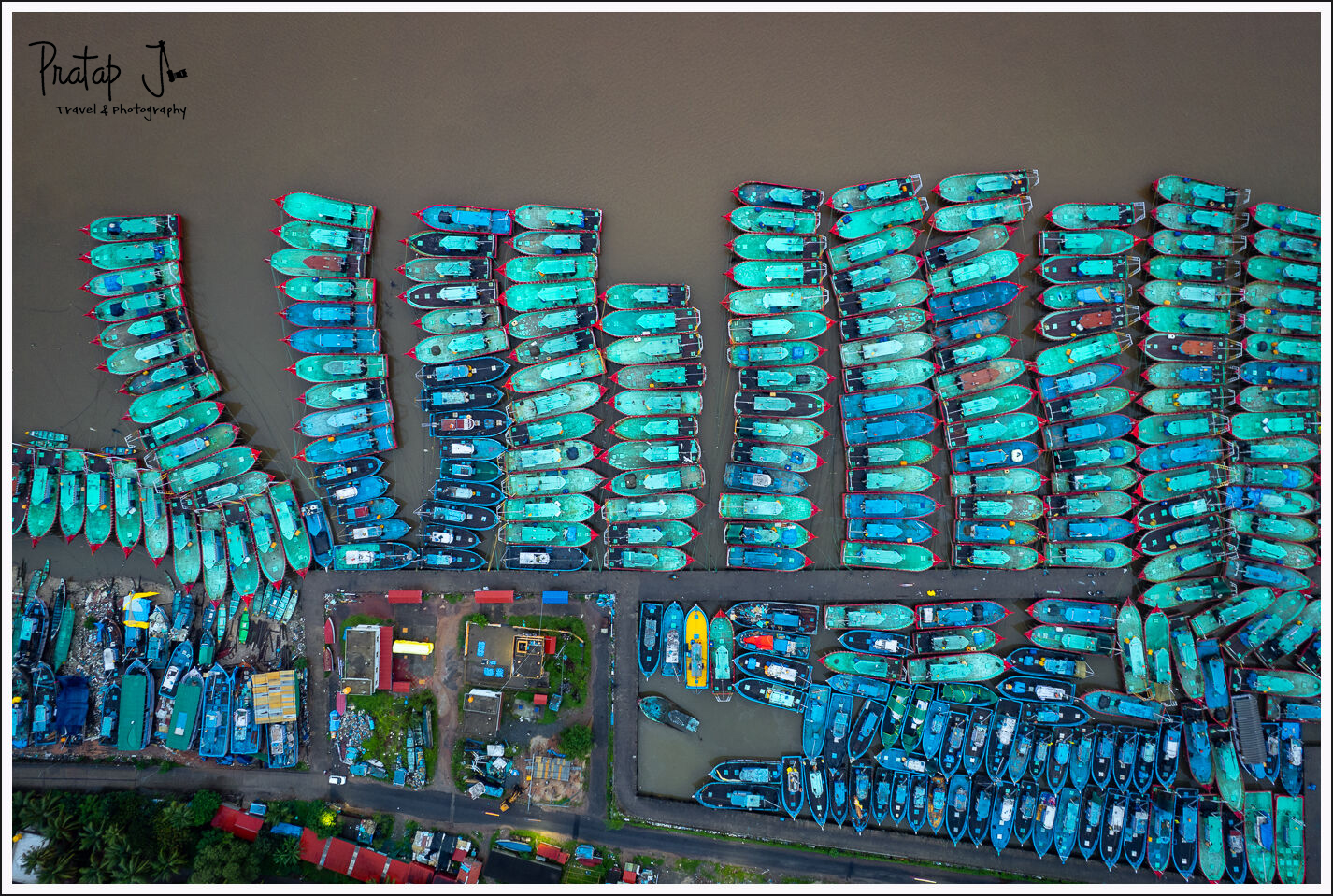
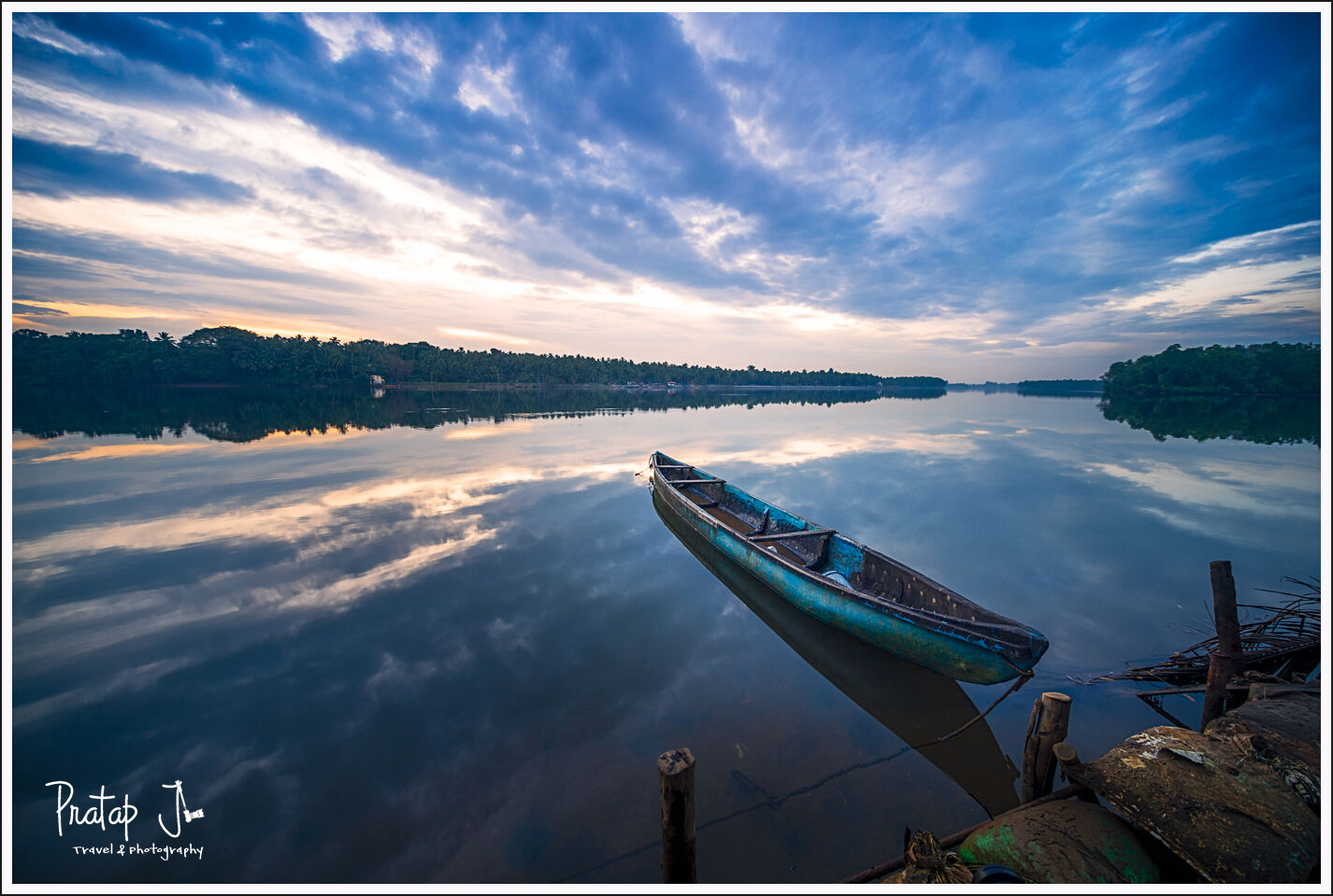
During my time living in Coastal Karnataka, I found myself frequently wandering between Udupi, Maravanthe, Bhatkal, and the lesser-known beaches that dot the coast like secrets. With my drone batteries charged and my favourite lenses in my backpack, I spent many an evenings chasing sunsets, and cloudless nights chasing the Milky Way. What drew me to do this repeatedly was how alive the coastline felt. The fishing boats lined up like stories waiting to be told, the coconut palms casting long shadows at golden hour, and the rhythm of life here—unhurried, earthy, and honest.
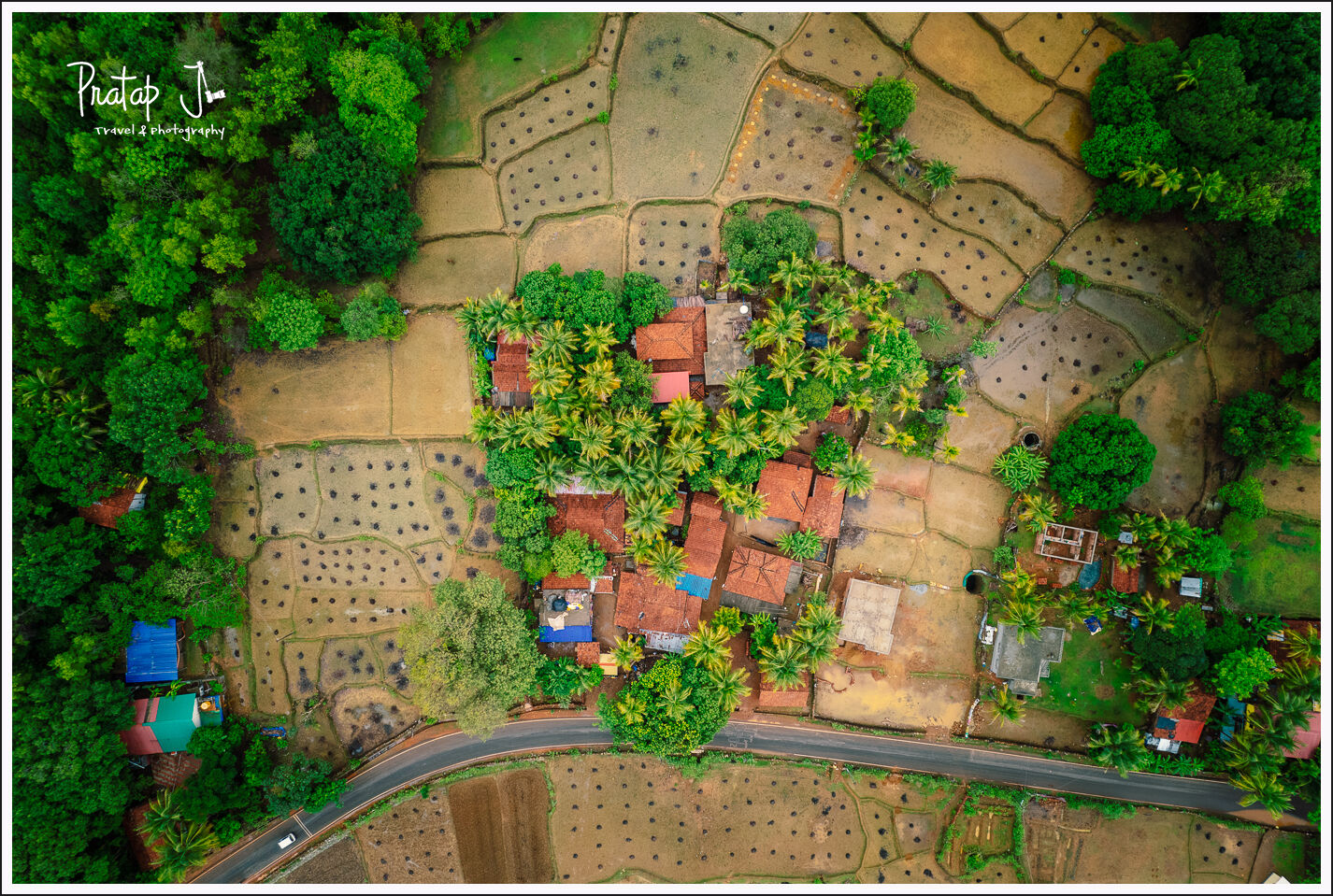
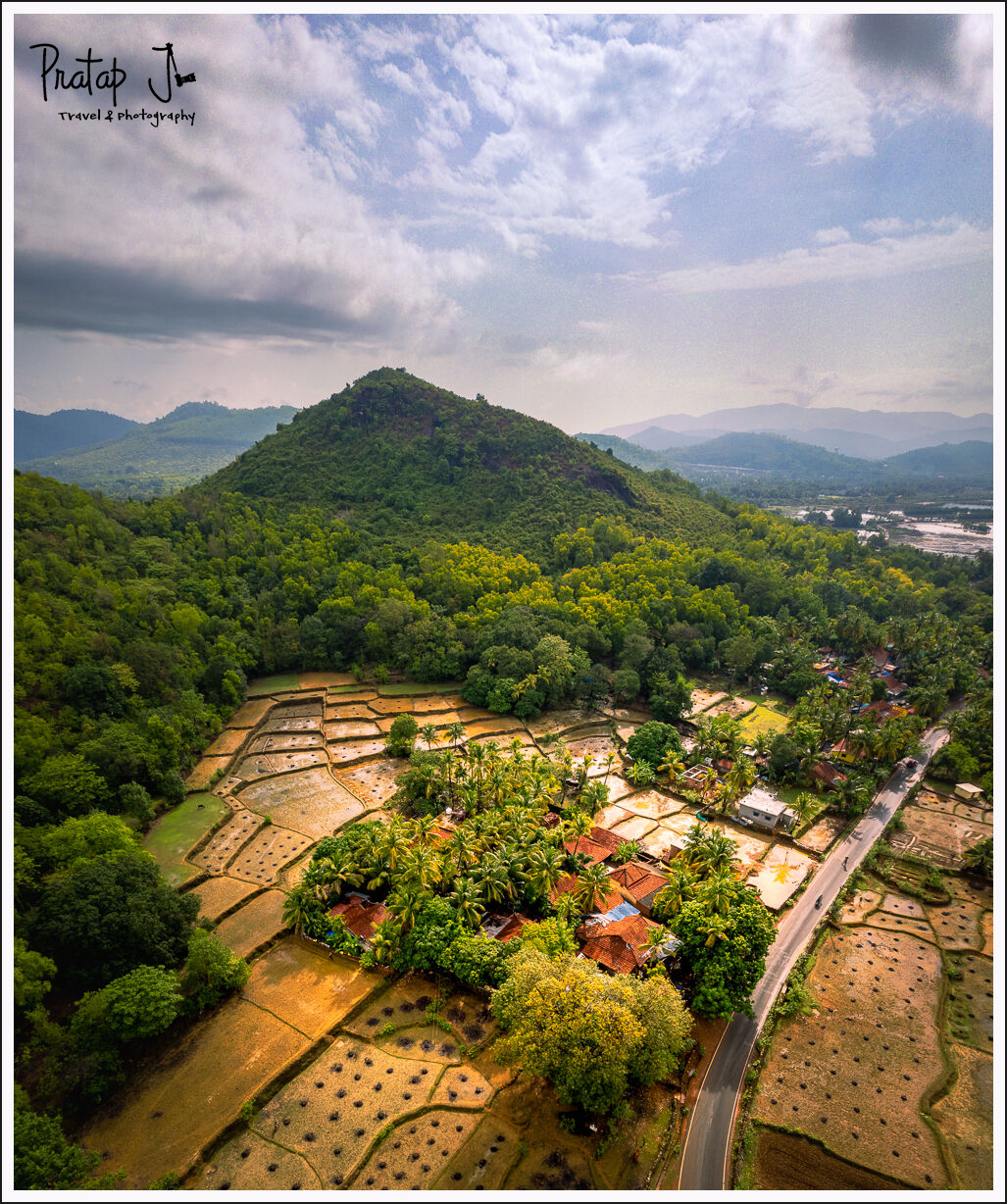
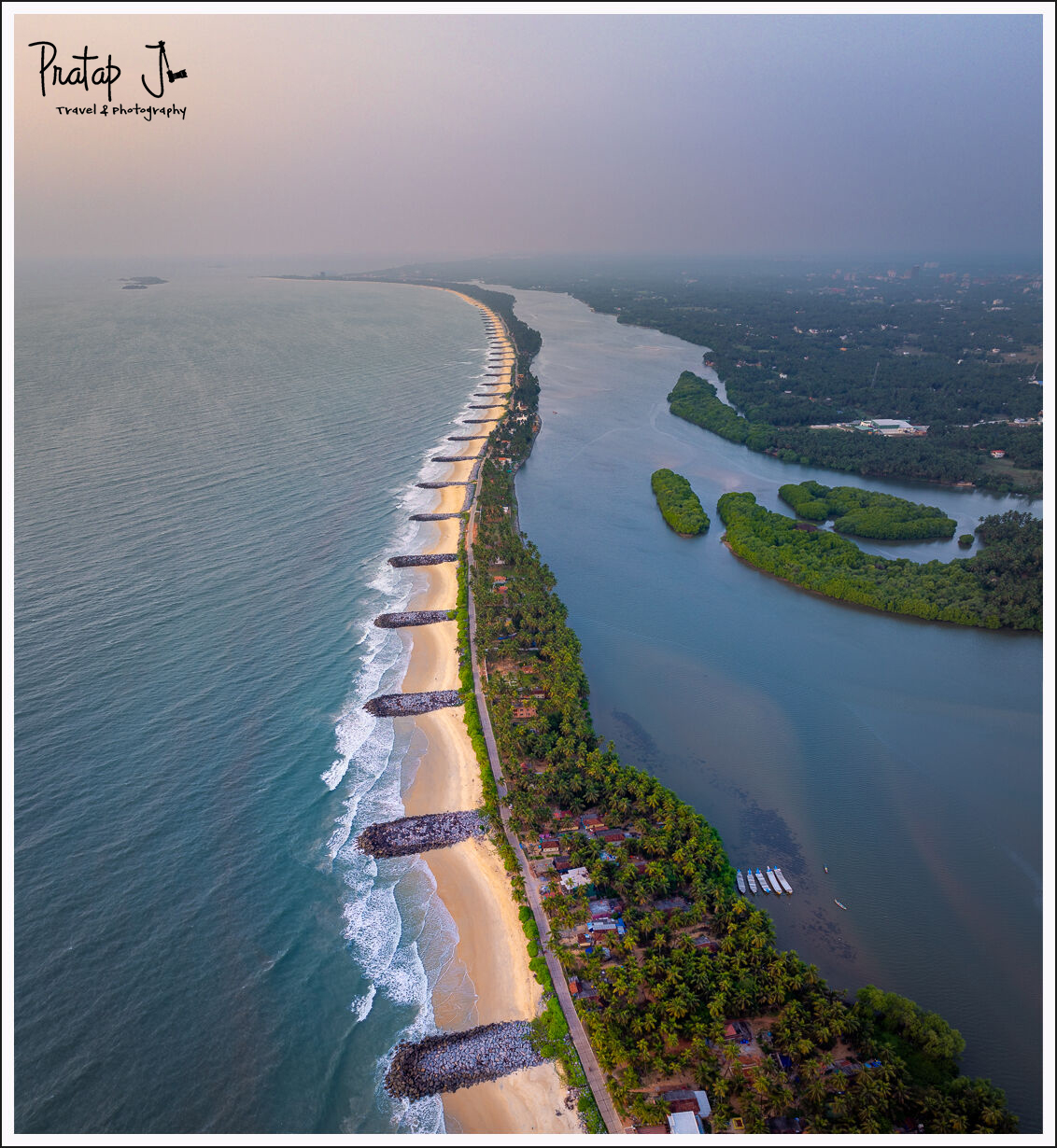
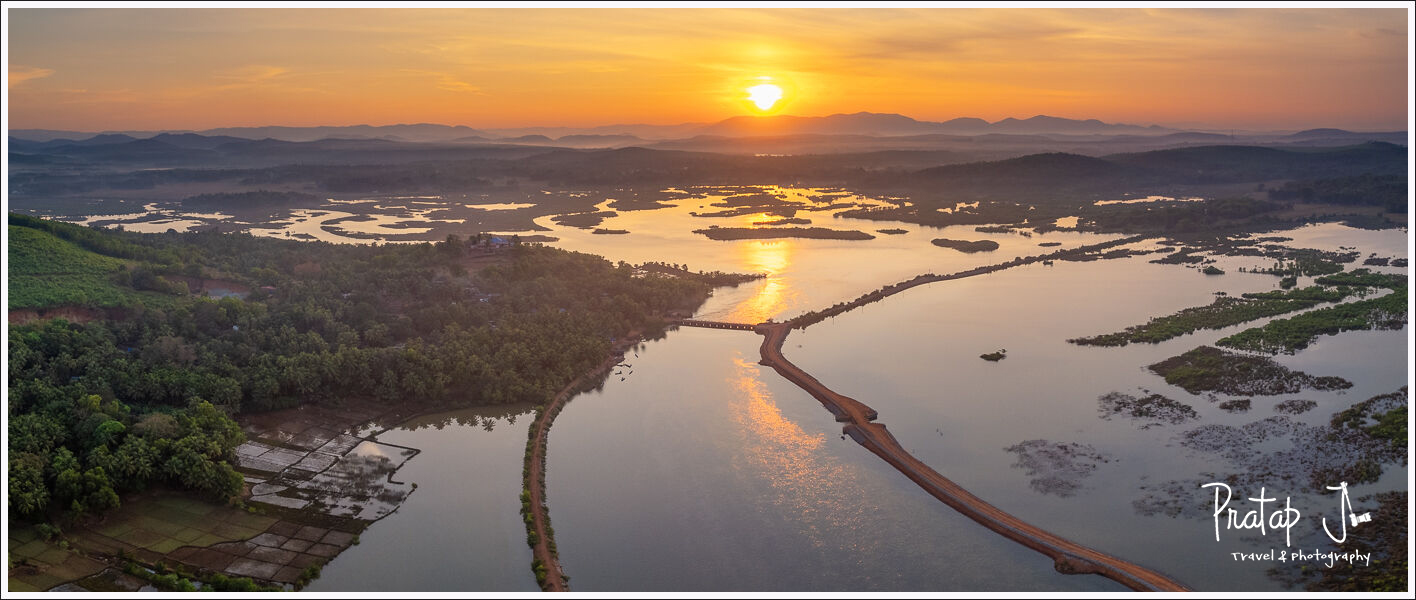
Flying my drone along the shoreline gave me a whole new perspective. From above, the patterns made by receding waves looked like calligraphy. Estuaries spilled into the sea with painterly elegance, and temples sat quietly on cliffs, guarding the coast like ancient sentinels.
Milky Way Dreams: Shooting the Night Sky
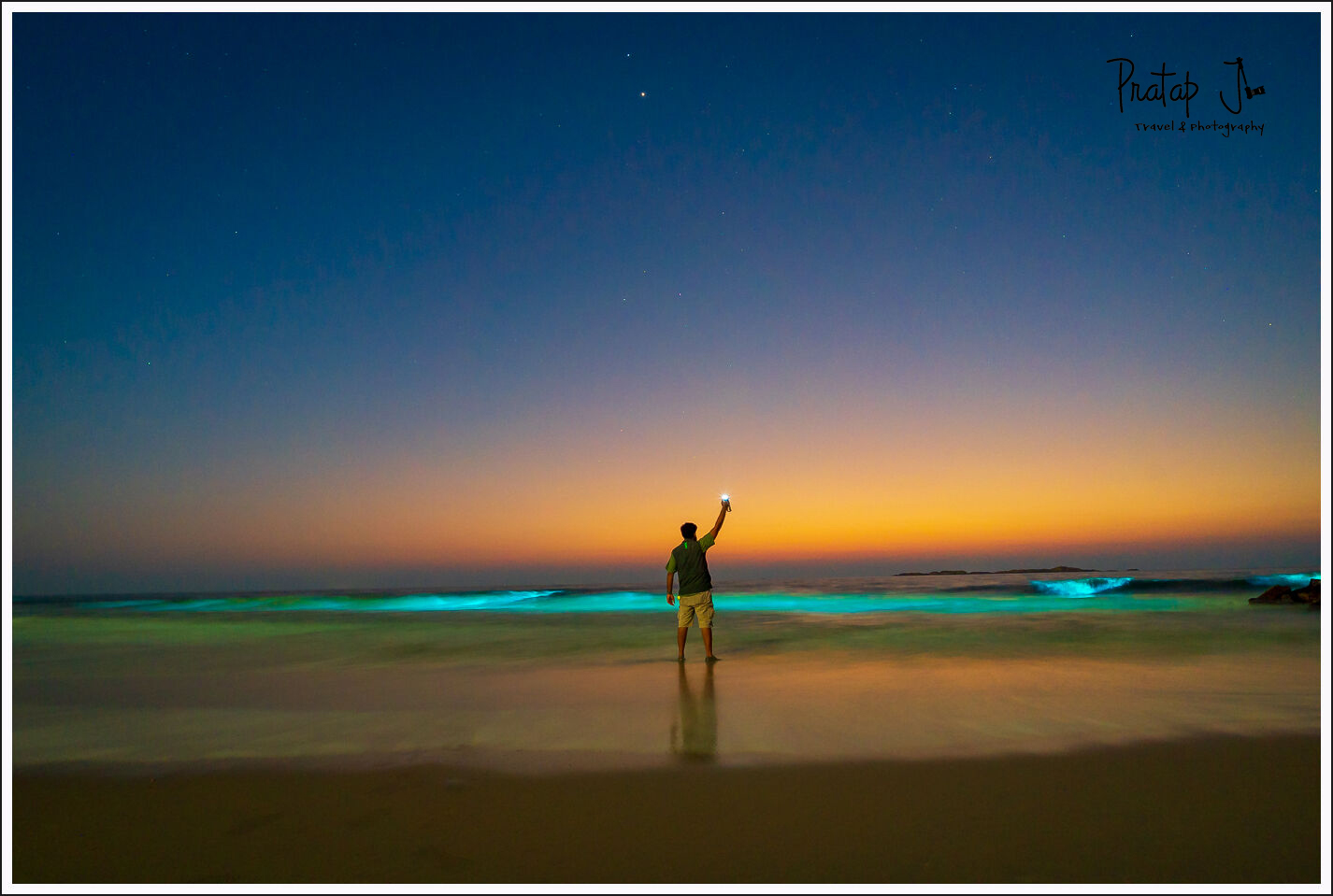
But it was after sunset that I wore the explorer’s hat. Milky Way photography requires clear, and dark skies. This is a challenge to find close to human settlement.
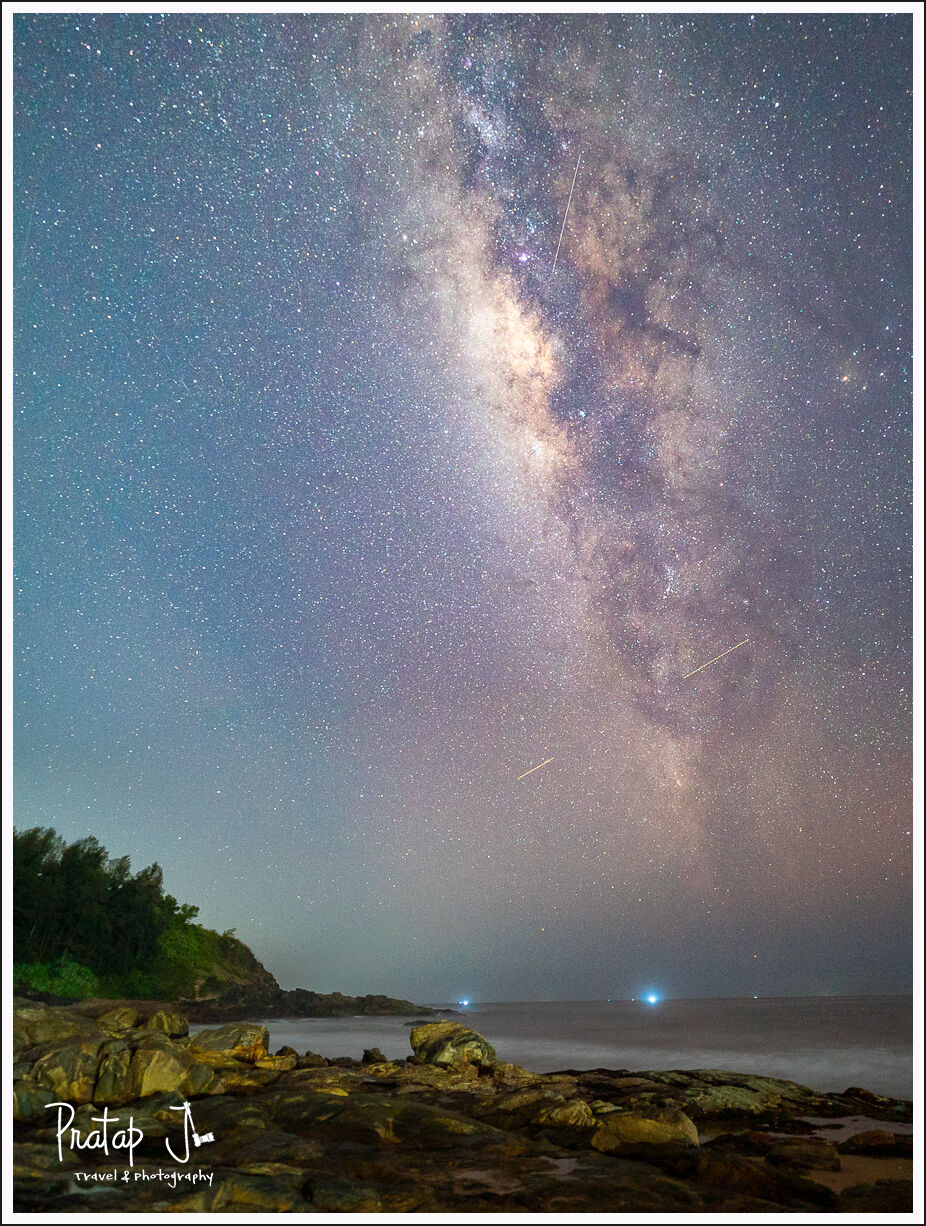
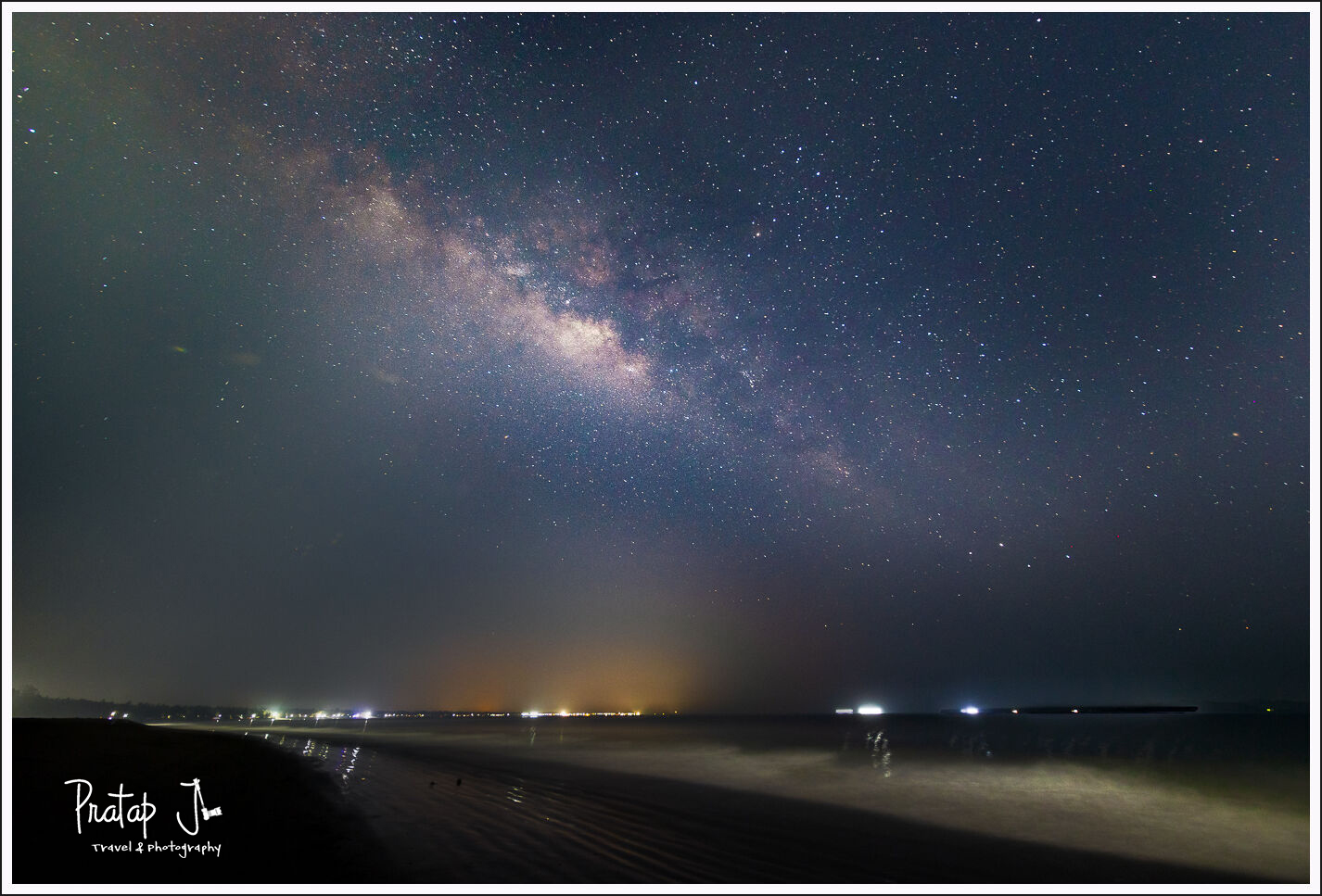
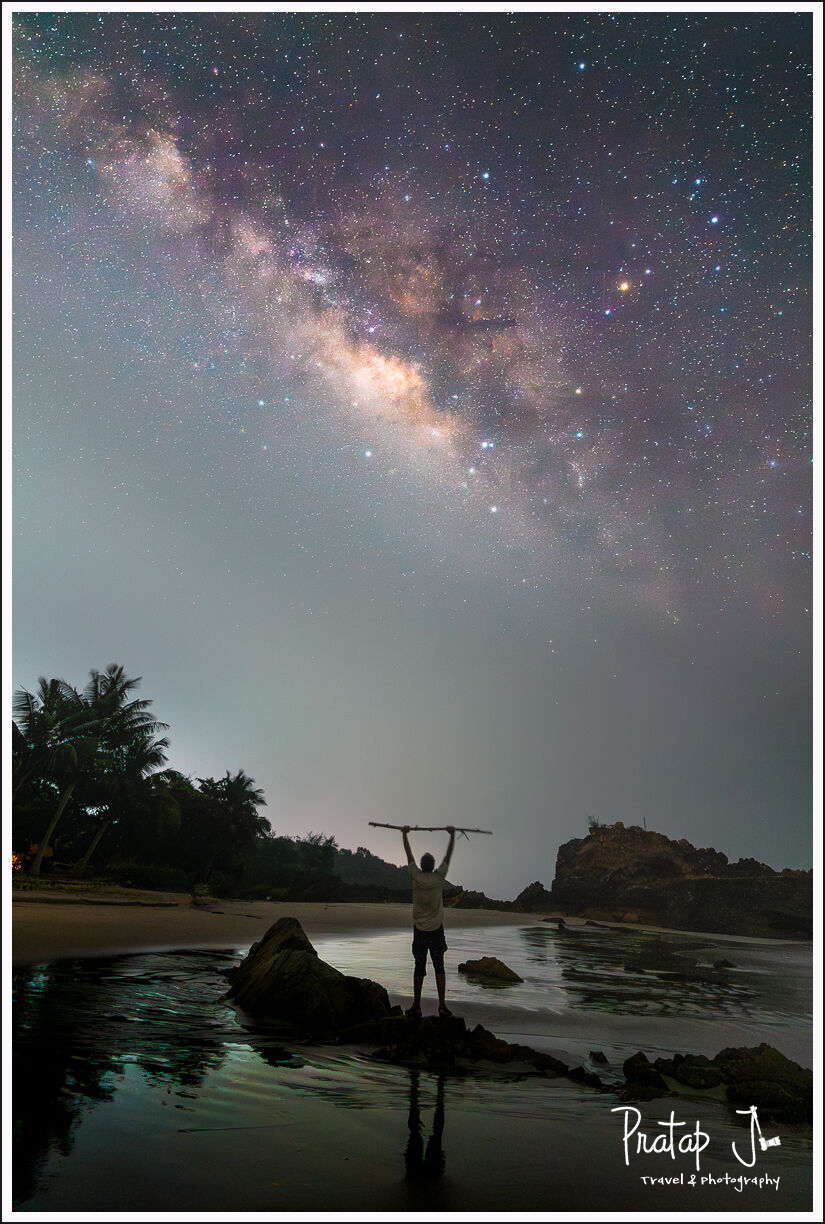
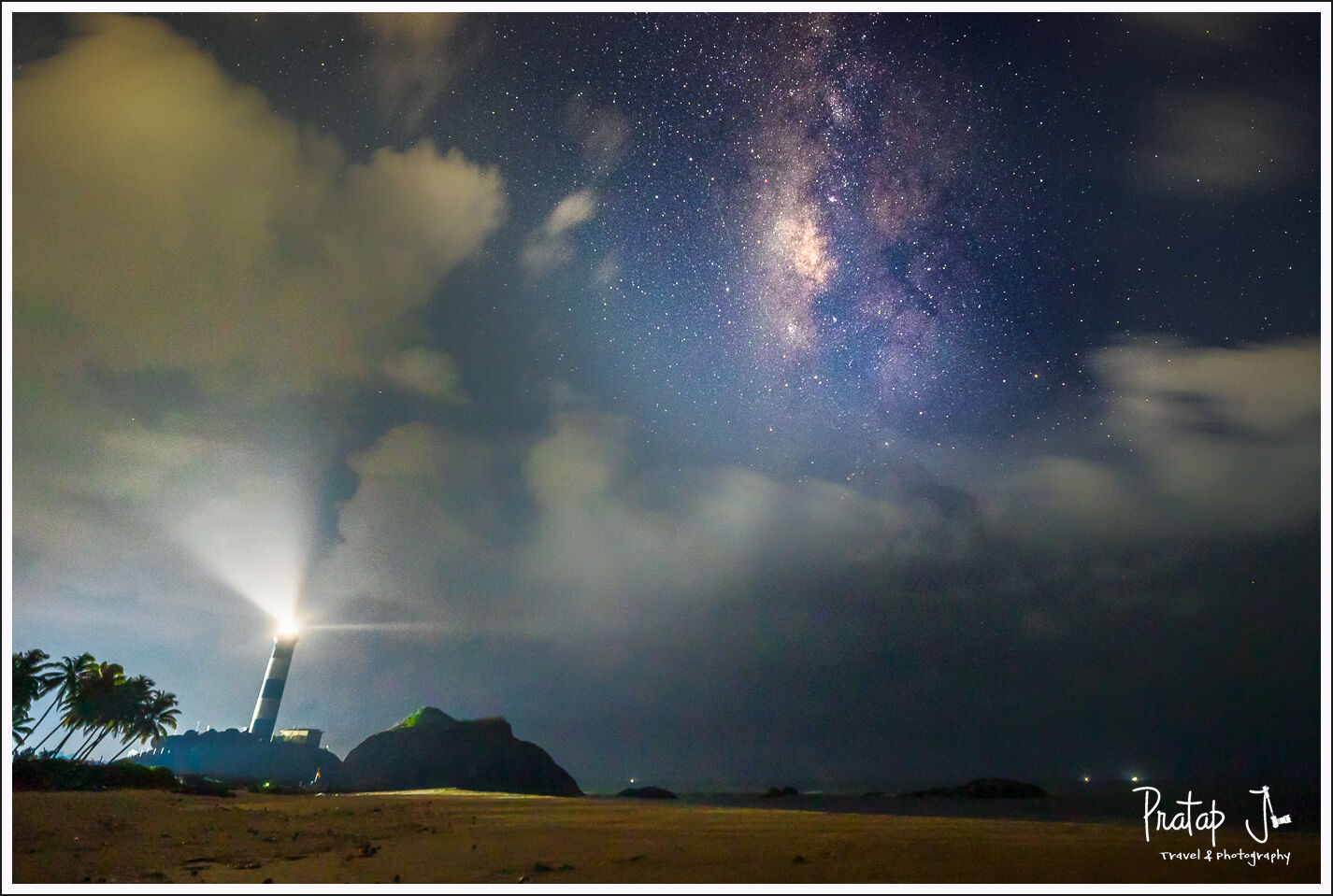
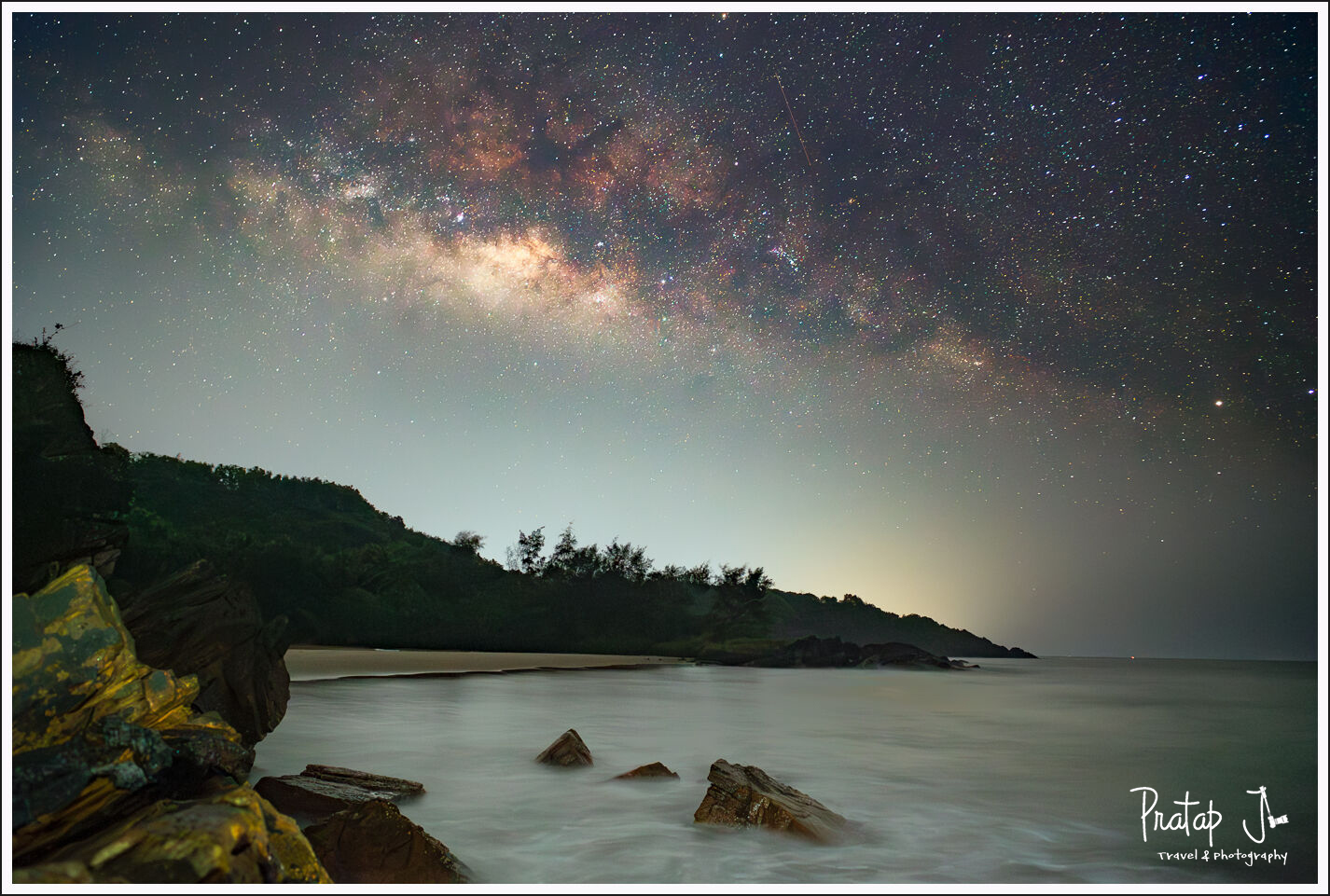
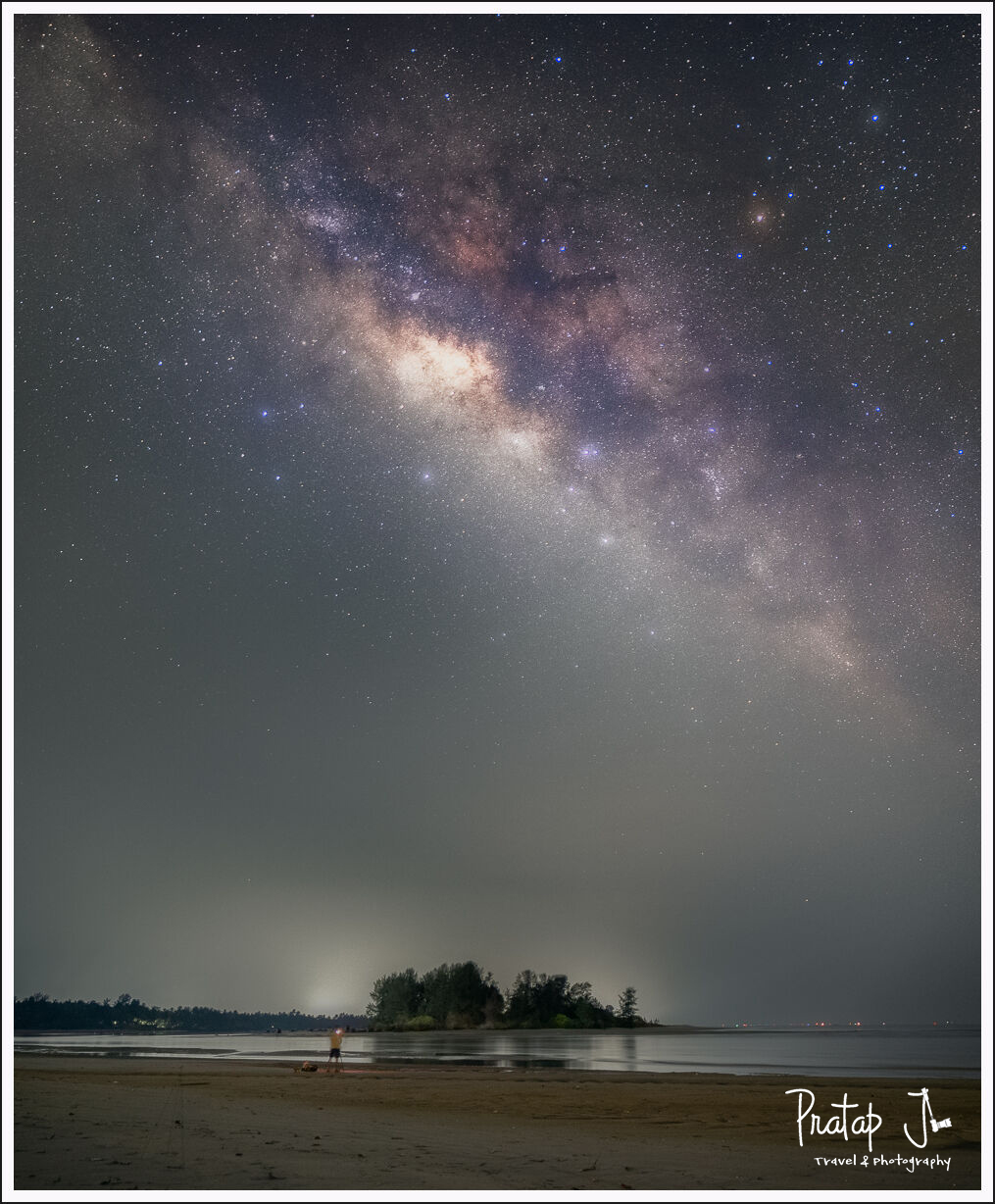
Of all the places I have scouted, the beaches close to Bhatkal is where I found the best view of the celestial lights. Tucked away unknown to tourists, Mowgli beach homestay is where I have spent many nights shooting various compositions of the Milky Way. One of the many challenges of shooting the Milky Way from the coast is finding a perfectly cloudless night away from the light pollution of the big towns such as Udupi, Kundapur, Bhatkal, Gokarna and Kumta. Mowgli is situated in a remote location, accessibly only by a 4×4 vehicle, so it is like a private studio with countless stars as your subject.
Shooting the Milky Way here is unlike anywhere else I’ve tried in India. The skies are the best before monsoon and during a brief window in , especially between April and August. On cloudless nights, the galaxy unfurls overhead like a timeless myth, and with a 14mm wide-angle lens and long exposure settings, I could finally do justice to what my eyes were only just beginning to comprehend.
I remember lying on the sand at 2 AM, with my camera clicking away on interval mode, the scent of salt and wet earth around me. A soft breeze, the occasional sound of distant waves, and above me—a river of stars stretching from one horizon to the other. It was a humbling silence.
Where the Sea Meets the Sky
The combination of drone photography by day and astrophotography by night created a visual tension I hadn’t expected. The drone gave me scope—sweeping, wide, structured. The stars gave me depth—eternal, abstract, humbling. And somewhere between the two, I found a kind of meditative rhythm.
Beaches like Kodi Bengre, Honnavar backwaters, and the cliffs of Mirjan Fort were stunning from the air. But later, when the sun dipped and the colors faded into deep blue, these same places transformed into cosmic observatories. I shot reflections of the Milky Way in tidal pools. I framed palm trees against galactic backdrops. One night, I even caught a shooting star streaking across my timelapse sequence.
Tips for Fellow Explorers
-
Best Time for Milky Way: April to August, around new moon nights.
-
Gear: A fast wide-angle lens (f/2.8 or faster), tripod, star tracker (if you’re serious), and patience.
-
Drone Notes: Respect no-fly zones, especially near temples and forest areas. Early morning and sunset flights give you the best light.
Final Thoughts
Coastal Karnataka isn’t just about beaches and temples—it’s a living canvas for photographers and dreamers. Whether you’re soaring with a drone or grounded beneath the stars, this coast has something rare: silence that speaks. And sometimes, that’s all you need to rediscover your creative compass.